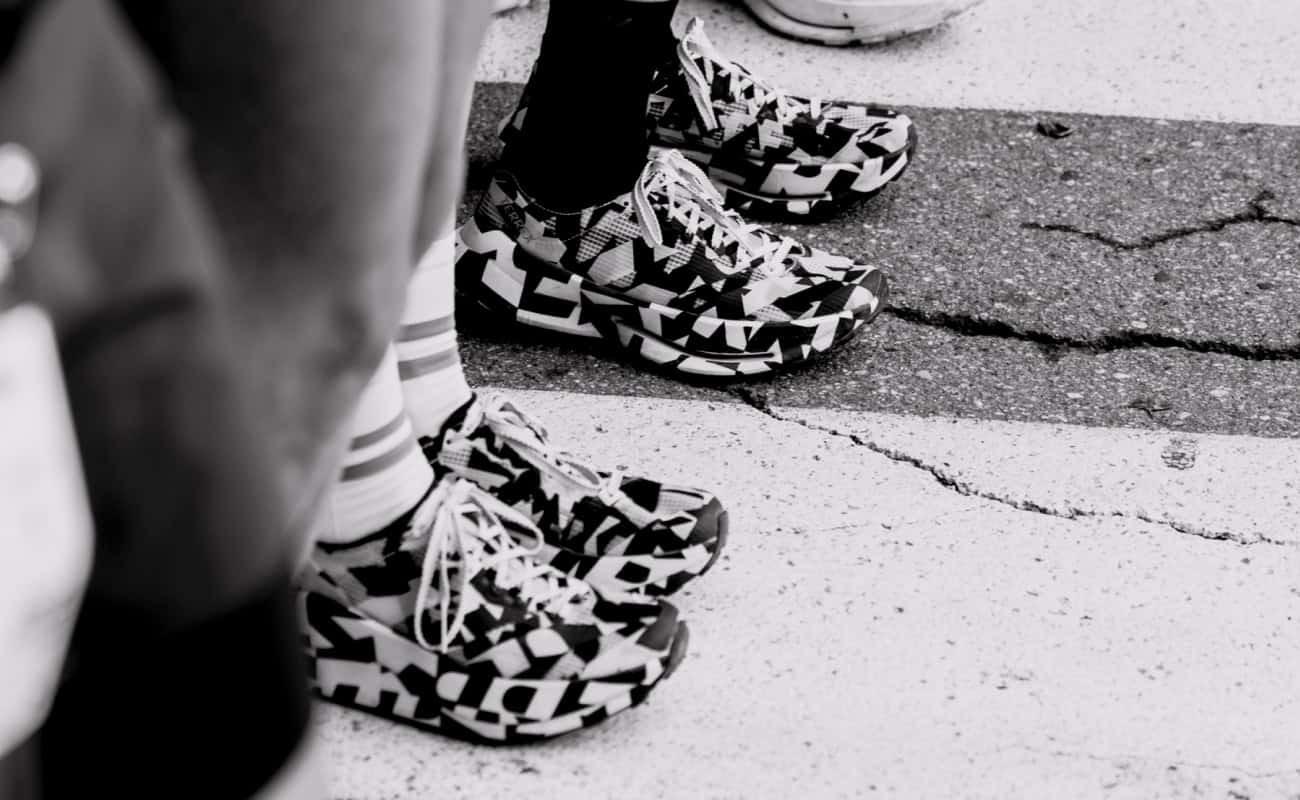


Erlkönig, does that ring a bell? It didn’t for us either. It’s a camouflage pattern inherited from 1950s automotive design, intended to make the shapes of prototypes imperceptible in photos. This year at the UTMB, adidas Terrex athletes wore the new Agravic Speed Ultra 2, not yet available on the market, in the Erlkönig version. Not that the shoe was likely to attract industrial espionage. But it wasn’t far off. Because behind the camouflage is something more than just a cosmetic update. The Agravic Speed Ultra 2 continues the lineage of a model that has redefined trail performance and continues to set the pace.
The Carbon Revolution
On May 6, 2017, Eliud Kipchoge ran the fastest marathon in history in two hours and twenty-five seconds. He wore revolutionary shoes with carbon plates in the middle of the soles. He also wore them to break the two-hour barrier in 2019. The shoes, it’s said, could represent a 4% performance increase. That’s huge. So much so that the International Olympic Committee had to rule on them in 2020, ahead of the Tokyo Games. Presumably, the aim was to dispel concerns that shoes with carbon plates were a form of mechanical doping. Nevertheless, they were allowed. A veritable arms race ensued. Soon, nearly every major running shoe brand was offering equivalents.
However, this technology seems stuck on the road. It’s a question of stability: when running on trails, the terrain is too uneven and the direction of impact too variable. A carbon plate propels you forward, which becomes a disadvantage off-road. A few brands have tried, but without real success. Trail running didn’t yet have its own super shoe. That changed when adidas introduced the revolutionary Agravic Speed Ultra in the spring of 2024. Its shape, its foam, but above all, the design of its independent lugs finally propelled the carbon revolution onto the earth, rocks, and roots. In the world of ultras, it marks a clear before-and-after.
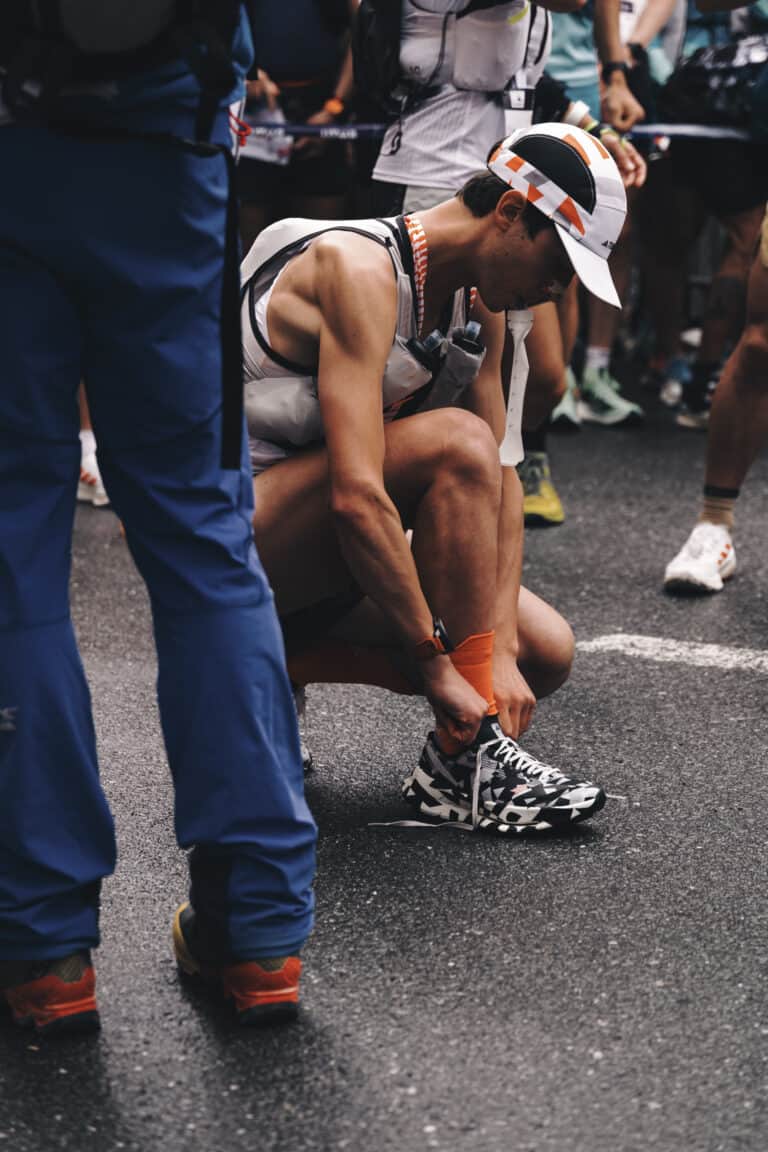
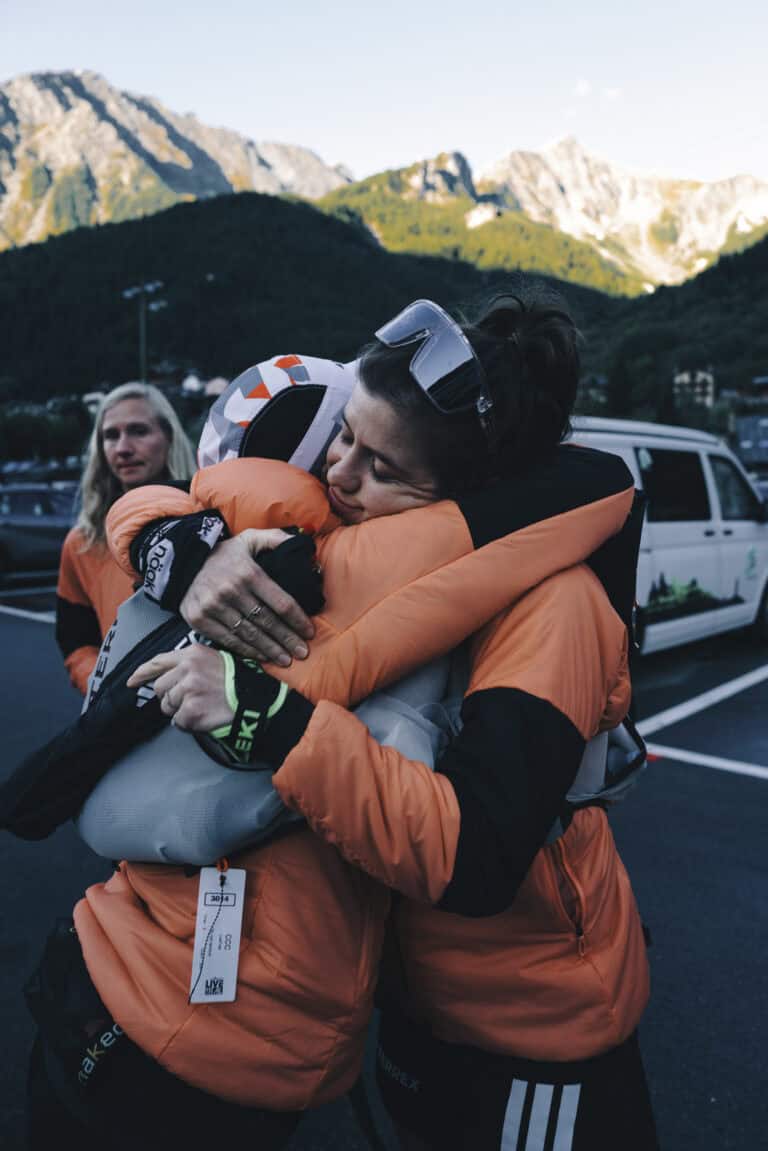
More versatile, but it hasn't lost its focus on pure speed.
From The Western States to UTMB
To understand the philosophy behind this shoe, we need to go back to a specific race. The Western States is the oldest 100-mile trail race. Its route crosses the Sierra Nevada, from Olympic Valley to Auburn, California. It’s hot, with long climbs—but above all, there are intense descents. Unlike many races of similar length, it’s unusually fast.
Abby Hall, an adidas Terrex runner, is from Flagstaff, Arizona. When we met at this year’s UTMB, it had been just two months since she’d won the 100-mile Western States race. She was wearing Agravic Speed Ultra shoes: “The shoe was designed for Western States. With its pronounced rocker and high-performance foam, it’s fast. Very fast. This shoe is a weapon. When I’m training, I save it for certain key runs, to preserve its magic for race day.”
With her nails painted orange to match the accents on her adidas Terrex clothing, she turns over the Agravic Speed Ultra 2 she will wear at the UTMB: “I feel increased stability in this version, which really helps for such a long race. The lugs are a little deeper, which works well in wet or muddy conditions and on steep slopes.” She points out other improved details that reinforce its ultra-friendly character. The upper is a little lighter and more durable, while still allowing for good drainage after getting your feet wet. And the silhouette is more comfortable, with a slightly roomier toe box that will accommodate more runners.
This attention to detail is at the heart of the brand’s development process. Rowan Axe is Product Manager, Trail Running, at adidas Terrex: “The great thing about the Agravic Speed Ultra 2 is that we started with a shoe that performs incredibly well. Working with our comprehensive team of elite athletes, we identified areas for improvement.” The athletes and trail runners who adopted the Agravic Speed Ultra took it to different types of terrain, revealing its versatility. This guided the development of this new version, which is better suited to different contexts without losing its focus on pure speed.
Working as a Team
Behind this evolution lies a particular approach: designing with athletes, not just for them. Robert Muecke, Director of Sports Marketing and team manager of the adidas Terrex team, personally recruited each athlete who is part of it. “What you see today is the realization of a vision we had six or seven years ago. We realized that there was no real structure to support trail runners. And it’s in adidas’ nature to promote the well-being of athletes, not just from a product development perspective, but with the goal of providing them with what they need to achieve the best results. When the brand began to take trail running seriously, it didn’t have a collection for the discipline. No shoes, no clothing, and no athletes either. In this context, its vision was one of co-creation, in which ideas would flow freely among runners, designers, and developers.” According to Robert Muecke, this vision is now reflected in the adidas Terrex.
From now on, in the world of ultras, there is a before and after the Agravic Speed Ultra.
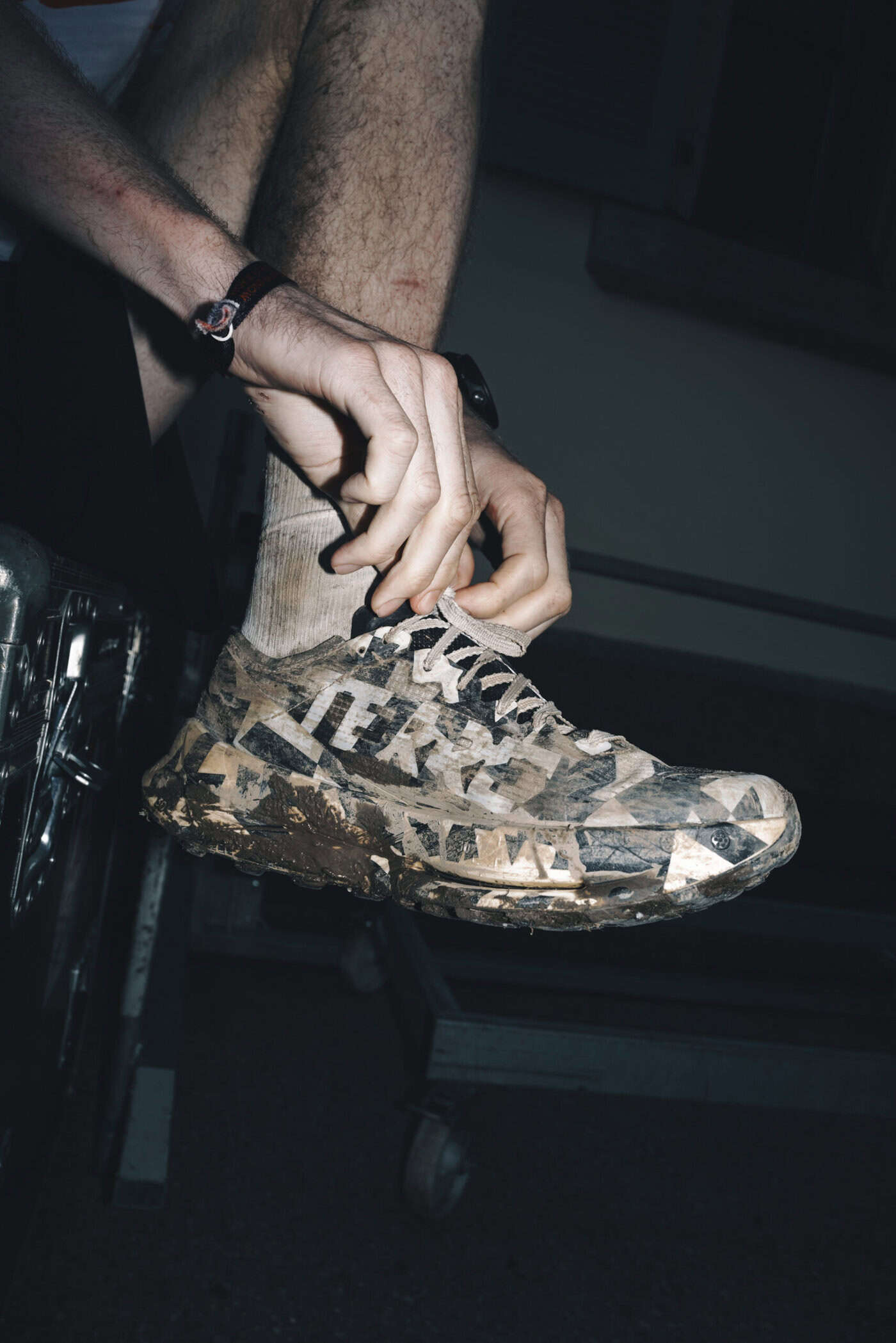
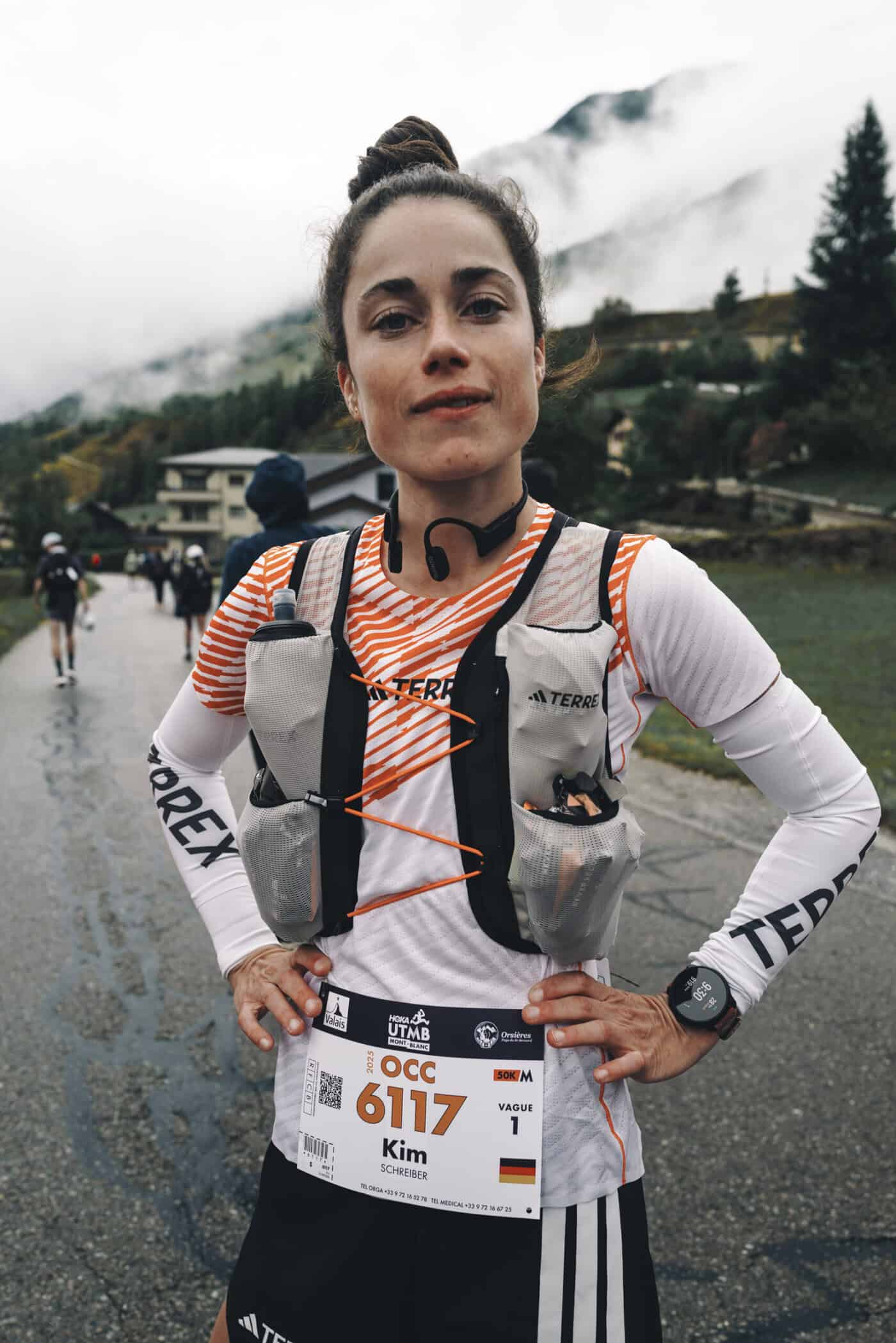
Rowan Axe: “Our team is made up of a large number of athletes scattered around the world. So we’re lucky enough to send them prototypes for testing under very different conditions. For example, athletes will be invited to run on a technical one-kilometre course, wearing several different versions of shoes, to put them to the test in controlled conditions. At the other extreme, they will take shoes with them to test them in the wild, in the environment where they want to use them.”
Robert Muecke: “If you ask athletes what they need, then you have to follow up with them constantly throughout the entire development phase. Not two years later. I can’t even tell you how many versions of shoes are tested, and how many are rejected because they don’t meet our runners’ criteria well enough. It’s this close collaboration that creates the magic, ultimately.” And you can feel that magic in the detailed comments from those who rack up the miles at the highest level.
Athlete Vision
In 2023, Toni McCann won the OCC, the 50K UTMB, and the 100K CCC in 2024. Before joining the adidas Terrex team, she used to run in more minimalist shoes. About the Agravic Speed Ultra 2, she says: “With the combination of foam that has more cushioning and stiffer uppers, you can feel that the impacts are really well absorbed by the shoe. Even more so on descents. And the stiffness of the uppers gives it a little more stability than the first version. It also helps on climbs. with more propulsion.”
Petter Engdahl agrees. “The balance between carbon and resin in the shaft material has been perfected. This makes them stiffer, but without breaking.” Petter has been a member of the adidas Terrex team since 2021. Among other accomplishments, he is the first runner to complete the 100K UTMB race—with 6,200 metres of elevation gain—in under 10 hours.
In addition to his athletic career, he has a master’s degree in
industrial design, which gives him a unique perspective on product development. The foam in the Agravic Speed Ultra 2 is the same foam that he and other team athletes tested at The Western States 100 in 2024. It is lighter and provides better energy return. Rowan Axe: “Foams have developed quite impressively in recent years, and adidas is a leader in the development of what you might call super foams.”
Petter, Toni, and Abby have impressive résumés. It’s easy to see how important their contributions have been to the development of such a high-performance shoe. And just imagine: from three or four athletes at the outset, the adidas Terrex team now has nearly 35 members. From the conversations we had at the UTMB, there’s no doubt in our minds: this is a huge, finely tuned machine. And its success, like that of its products, owes nothing to luck.
The shoe was designed for Western States. With its pronounced rocker and high-performance foam, it's fast. Very fast. This shoe is a weapon.
At the foot of Mont Blanc, it’s clear that the Agravic Speed Ultra 2 is more than just an update. Beneath the camouflage, it is the continuation of an ambitious project: bringing trail running into the era of super shoes, without sacrificing the stability and confidence needed on rough terrain.
Originally designed for a fast, rolling race like The Western States, the Agravic Speed Ultra quickly proved it could go much further. By taking it everywhere—on more technical, longer, and more unpredictable trails—athletes revealed both its strengths and its limits.
With this second edition, adidas Terrex hasn’t tried to reinvent its winning formula, but rather to refine it—more control, more durability, more versatility. The model still delivers on the same promise: to transform every stride into speed and continue to lead, wherever the race unfolds.